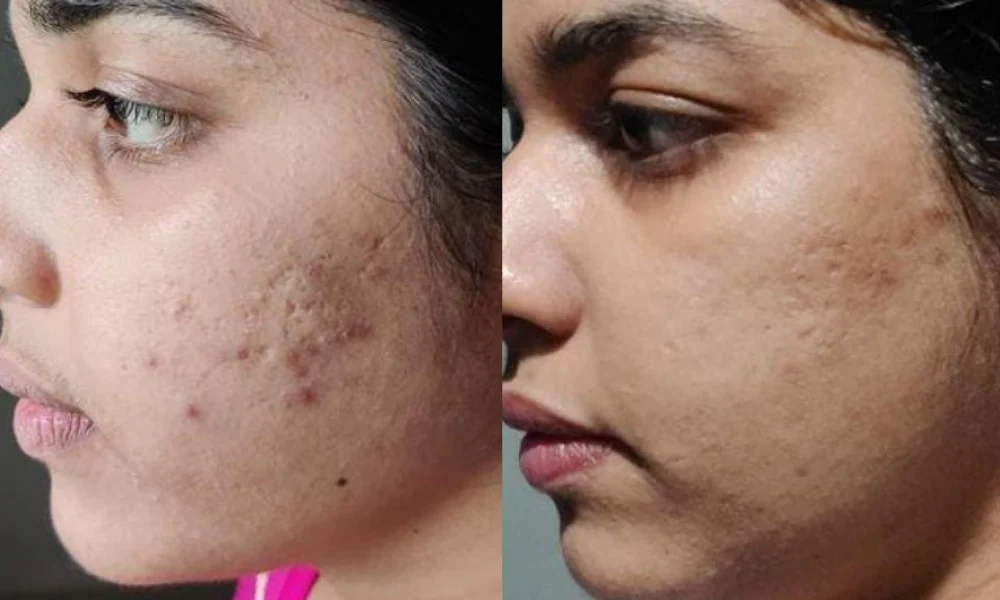
Dark pigmentation is one of the most common skincare concerns faced by people of all ages. Whether caused by acne scars, sun damage, hormonal changes, or aging, Dark Spots On Face can affect confidence and overall appearance. The good news is that with the right approach, patience, and consistency, you can significantly reduce and even prevent them.
This detailed guide will help you understand why dark spots appear, how to treat them naturally and medically, and how to stop them from coming back. If you’re struggling with Dark Spots On Face, this blog will give you a complete roadmap to clearer, more even-toned skin.
What Are Dark Spots?
Dark spots, also known as hyperpigmentation, are areas of skin that appear darker than the surrounding skin. They occur when excess melanin is produced in certain areas. Dark Spots On Face** can vary in size, shape, and color—from light brown to deep black—and may worsen if not treated properly.
Common Causes of Dark Spots On Face
Understanding the root cause is essential before starting any treatment for Dark Spots On Face.
1. Sun Exposure
Prolonged exposure to UV rays triggers melanin production. Without proper sun protection, this is the leading cause of pigmentation.
2. Acne Scars
After acne heals, it often leaves behind marks, contributing to persistent **Dark Spots On Face**, especially in people with oily or sensitive skin.
3. Hormonal Changes
Hormonal imbalance during pregnancy, PCOS, or due to contraceptive pills can cause melasma, a type of pigmentation.
4. Aging
As skin ages, cell turnover slows down, making dark patches more noticeable.
5. Skin Injuries
Cuts, burns, waxing, and harsh treatments can leave pigmentation behind.
Daily Skincare Routine to Reduce Dark Spots
A consistent skincare routine plays a crucial role in fading Dark Spots On Face.
1. Gentle Cleansing
Use a mild cleanser twice daily to remove dirt and oil without stripping the skin.
2. Exfoliation (2–3 times a week)
Exfoliation removes dead skin cells and helps new skin surface faster, improving pigmentation over time.
3. Targeted Serums
Serums containing niacinamide, alpha arbutin, or kojic acid are effective in reducing Dark Spots On Face.
4. Moisturization
Well-hydrated skin heals faster and responds better to treatment.
5. Sunscreen Is Non-Negotiable
Even the best treatments won’t work if you skip sunscreen. SPF 30 or above is essential to prevent worsening of Dark Spots On Face.

Natural Home Remedies for Dark Spot
If you prefer natural solutions, these remedies may help lighten Dark Spots On Face gradually.
1. Aloe Vera
Contains aloin, which reduces pigmentation and soothes skin.
2. Lemon Juice (With Caution)
Rich in vitamin C, but must be diluted and used only at night.
3. Turmeric and Milk
Turmeric has anti-inflammatory properties, while milk contains lactic acid for gentle exfoliation.
4. Potato Juice
Naturally bleaches pigmentation and improves skin tone.
Consistency is key when using natural remedies for Dark Spots On Face, as results take time.
Best Ingredients to Look for in Skincare Products
Certain active ingredients are scientifically proven to fade Dark Spots On Face:
- Vitamin C – Brightens skin and reduces pigmentation
- Niacinamide – Controls melanin production
- Retinol – Speeds up cell turnover
- Azelaic Acid – Treats acne and pigmentation
- Licorice Extract – Natural skin brightener
Using these ingredients correctly can dramatically improve Dark Spots On Face over a few weeks.
Professional Treatments for Dark Spots
If home care doesn’t show results, dermatological treatments can help treat stubborn Dark Spots On Face.
1. Chemical Peels
Remove the top pigmented layer of skin.
2. Laser Treatment
Targets deep pigmentation and breaks melanin clusters.
3. Microdermabrasion
Improves texture and reduces surface-level spots.
4. Prescription Creams
Dermatologists may prescribe hydroquinone or retinoids for severe Dark Spots On Face.
Always consult a certified dermatologist before opting for professional treatments.
How to Prevent Dark Spots from Coming Back
Prevention is just as important as treatment when dealing with Dark Spots On Face.
- Use sunscreen daily
- Avoid touching or picking acne
- Follow a consistent skincare routine
- Avoid harsh products
These steps help maintain results and prevent new pigmentation.

Diet and Lifestyle Tips for Clear Skin
Your lifestyle choices can influence Dark Spots On Face more than you realize.
- Drink plenty of water
- Eat antioxidant-rich foods (fruits, vegetables)
- Reduce sugar and junk food
- Manage stress levels
- Get adequate sleep
Healthy habits support skin repair from within.
Common Myths About Dark Spots
There are many misconceptions about Dark Spots On Face that can delay treatment.
Myth: Dark spots disappear overnight
Truth: They need time and consistency
Myth: Lemon works for everyone
Truth: It can irritate sensitive skin
Myth: Sunscreen is only for sunny days
Truth: UV rays affect skin even indoors
Frequently Asked Questions
How long does it take to fade dark spots?
With proper care, Dark Spots On Face may start fading in 4–8 weeks.
Can makeup worsen pigmentation?
Only if you don’t remove it properly or skip skincare.
Are dark spots permanent?
Most Dark Spots On Face are treatable with the right approach.
Conclusion
Dealing with pigmentation can be frustrating, but it’s completely manageable. With a proper skincare routine, sun protection, healthy lifestyle choices, and patience, Dark Spots On Face can fade significantly. Whether you choose natural remedies, active skincare ingredients, or professional treatments, consistency is the real secret.
Remember, everyone’s skin is different. What works for one person may take longer for another. Stay gentle with your skin, stay consistent, and over time, Dark Spots On Face will become lighter, giving you a clearer, more radiant complexion.